Rounded Applique Embroidery Font: A Practical Evaluation
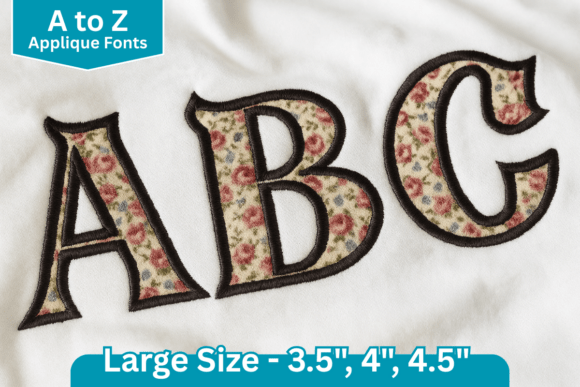
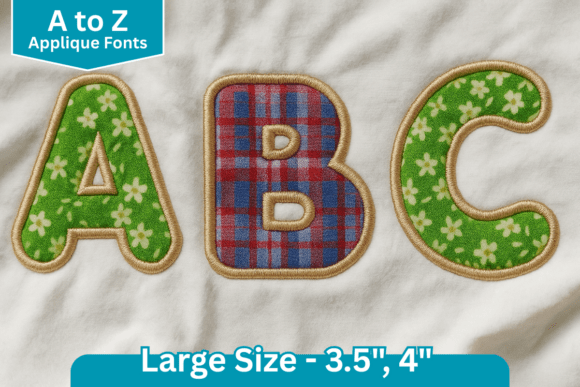
In the realm of machine embroidery, typography plays a critical role in defining the aesthetic and structural integrity of a design. The Rounded Applique Embroidery Font represents a specific category of digitized text designed to combine the softness of curved letterforms with the dimensional quality of applique work. This font set includes all capital letters from A to Z, each carefully constructed to ensure clean stitching when executed on an embroidery machine. For hobbyists and professionals alike, understanding the mechanics, applications, and limitations of this specific design style is essential before integrating it into a project workflow.
Understanding the Design Structure
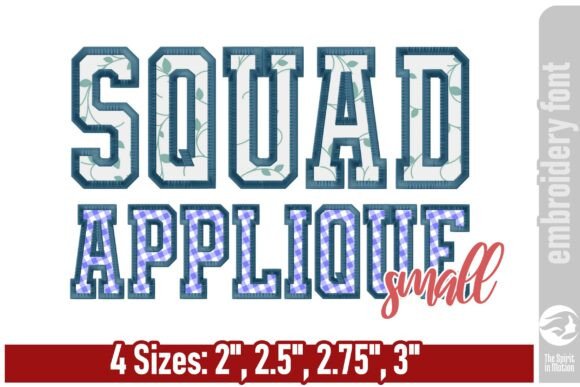
The Rounded Applique Embroidery Font differs significantly from standard satin stitch or fill stitch fonts. In traditional embroidery, the thread itself creates the shape of the letter. In contrast, applique involves layering fabric over a base material and securing the edges with a border stitch. The "rounded" aspect refers to the geometry of the characters; rather than sharp serifs or angular corners, these letters feature continuous curves and smooth transitions.
This geometric choice is not merely stylistic; it serves a functional purpose in applique construction. Sharp angles in applique can sometimes result in puckering or uneven tension when the stabilizer and fabric are manipulated during the hooping process. By utilizing rounded forms, the design accommodates the natural movement of fabric, reducing stress points that could lead to distortion. Each letter in this set is digitized to guide the machine through a sequence of steps: tacking down the background fabric, cutting away excess material, and finally stitching the perimeter to secure the applique piece.
Primary Use Cases and Applications
Evaluating whether this font aligns with your needs begins with identifying the intended application. The versatility of the Rounded Applique Embroidery Font makes it suitable for a wide range of substrates and projects.
- Sportswear and Team Gear: The bold, blocky nature of the capital letters ensures high visibility on jerseys, caps, and athletic bags. The raised texture of the applique adds durability, which is often required for items subjected to frequent washing and wear.
- Kids' Projects: Soft, rounded edges are inherently safer and more visually appealing for children's clothing and accessories. The lack of sharp points reduces the risk of snagging, making it a practical choice for baby onesies, backpacks, and stuffed animals.
- Monograms and Personalization: While limited to capital letters, the font excels at creating prominent initials for towels, robes, and home décor items. The three-dimensional effect provides a premium look that flat stitching cannot replicate.
- Home Décor: On pillows, tote bags, and wall hangings, the font adds a handmade, tactile element. The interplay between the applique fabric color and the base material allows for significant customization without requiring complex multi-color thread changes.
Benefits and Advantages
The primary advantage of using this specific font set is the visual impact achieved with relative efficiency. Applique designs generally require fewer stitches than full-density fill fonts, resulting in faster run times on the embroidery machine. This speed can be a significant factor for commercial users looking to increase production volume.
Furthermore, the use of fabric as the primary medium offers cost savings. Instead of consuming large amounts of expensive specialty threads to create solid areas of color, the user relies on scrap fabric or bulk textile rolls. This also introduces a wider palette of textures; one can incorporate denim, felt, corduroy, or fleece into the design, adding depth that thread alone cannot provide.
Another consideration is the robustness of the final product. Because the design relies on a layer of fabric secured by a dense border stitch, it tends to withstand abrasion better than thin satin stitches. This makes the Rounded Applique Embroidery Font particularly well-suited for items that will see heavy use.
Tradeoffs and Considerations
Despite its advantages, there are distinct tradeoffs to consider. The most immediate limitation is the requirement for additional materials. Unlike standard embroidery where only thread and stabilizer are needed, applique requires precise cutting of fabric shapes. If the user does not have access to a laser cutter or precise manual cutting tools, the finishing quality may suffer. Misaligned cuts can ruin the clean lines that the digitized font intends to create.
Stabilization is another critical factor. Applique places more stress on the backing material because the fabric must remain perfectly flat while being stitched. Heavy fabrics like canvas or leather require aggressive stabilization, such as cutaway stabilizers or even temporary adhesive sprays, to prevent shifting during the stitching process. Failure to stabilize correctly can result in bubbling or gaps in the border stitch.
Additionally, the font is restricted to capital letters (A–Z). This limits its utility for projects requiring lowercase text or mixed-case sentences. Users must evaluate whether their design goals can be met solely with uppercase typography. For names or short phrases, this is rarely an issue, but for longer text blocks, the font may need to be paired with a different typeface or used sparingly.
When to Choose Alternatives
While the Rounded Applique Embroidery Font is powerful, it is not the optimal solution for every scenario. If a project demands intricate detail within the letterforms, such as fine internal lines or delicate serifs, applique may obscure these details due to the thickness of the fabric layers. In such cases, a high-density fill stitch or satin stitch font would offer greater precision.
Similarly, if the substrate is extremely thin or delicate, such as silk chiffon or lightweight organza, the weight of the applique fabric might cause sagging or distortion. Here, a lighter embroidery technique would preserve the drape of the material. Furthermore, if the project timeline is extremely tight and the user lacks experience with fabric handling, the extra steps involved in applique—hooping, cutting, re-hooping—might introduce bottlenecks that a single-step font would avoid.
Technical Compatibility and File Formats
A crucial aspect of evaluating any digital embroidery asset is compatibility. This machine embroidery design comes with multiple file formats, ensuring broad support across various embroidery machines. Whether using a domestic consumer model or a commercial multi-head system, the availability of common formats (such as .PES, .DST, .JEF, or .EXP) facilitates seamless integration into existing workflows.
However, users should verify the maximum hoop size supported by their machine. Since applique letters are often larger to accommodate the fabric layer, a design that fits comfortably in a 4x4 inch hoop might exceed the dimensions of smaller hoops. Checking the digitized dimensions against the physical constraints of the equipment is a necessary step before purchasing or downloading the files.
Decision-Making Insights
To determine if the Rounded Applique Embroidery Font is the right choice, users should ask three key questions: Does the project require a bold, dimensional look? Is the available time sufficient for the additional steps of fabric preparation? And does the design rely exclusively on capital letters?
If the answer to these questions is yes, this font set offers a reliable method to add a professional, handmade touch to embroidery projects. It bridges the gap between simple text and complex imagery, providing a versatile tool for personalizing sportswear, kids' items, and home goods. By weighing the benefits of texture and durability against the requirements of fabric handling and stabilization, crafters can make an informed decision that aligns with their specific creative and technical goals.