Royal Stitch Applique Embroidery Font Guide
Adding text to fabric often presents a unique challenge for embroiderers. While standard satin stitch fonts look crisp on flat surfaces, they can struggle with texture, bulk, or the need for a bold visual statement. This is where the Royal Stitch Applique Embroidery Font becomes an essential tool in your digital design library. Unlike traditional lettering that relies solely on thread density to define shape, this applique alphabet uses a combination of precise digitization and fabric overlays to create letters that stand out with depth and dimension. By integrating all A–Z capital letters into a single, cohesive set, it offers a streamlined solution for creators who need reliable, high-impact typography for their projects.
Understanding the Value of Applique Typography
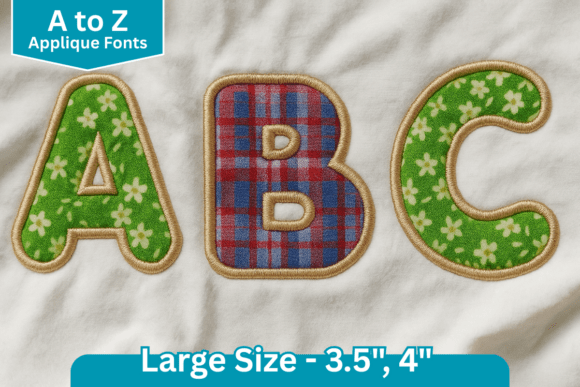
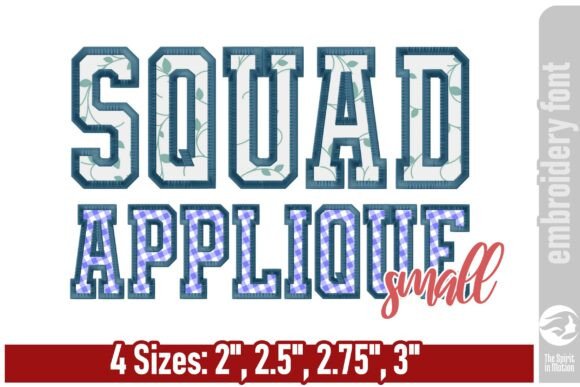
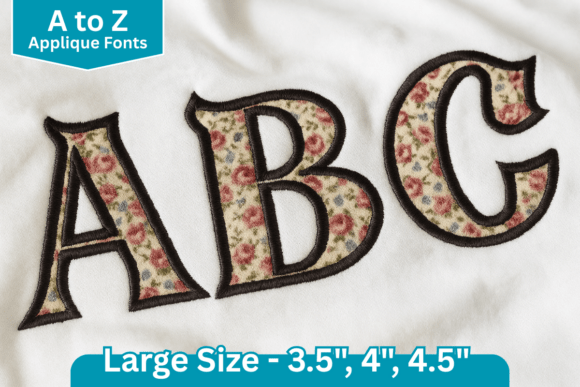
The distinction between standard embroidery and applique lies in the construction method. In applique, a piece of contrasting fabric is secured onto the base material, and the edges are stitched down. When applied to lettering, this technique transforms simple text into a tactile element. The Royal Stitch Applique Embroidery Font leverages this method by providing carefully digitized outlines that ensure clean stitching around complex curves and sharp angles. For professionals and hobbyists alike, this means the final result looks less like a patch of thread and more like a custom-cut label sewn directly onto the garment or item.
This approach matters significantly when working with sportswear or heavy-duty fabrics. Standard embroidery can sometimes sink into thick materials like fleece or denim, making small text hard to read. Applique letters, however, sit on top of the surface, creating immediate visibility. The font's design accounts for these physical properties, ensuring that each letter maintains its structural integrity regardless of the underlying fabric. This reliability allows designers to focus on composition rather than troubleshooting distorted stitches.
Enhancing Monograms and Personalized Gifts
One of the most common applications for this font is the creation of monograms and personalized names. Whether you are crafting a wedding gift, a family heirloom, or a boutique product line, the ability to produce consistent, elegant capital letters is crucial. The Royal Stitch Applique Embroidery Font excels here because the applique style adds a layer of sophistication that plain stitching cannot achieve. Imagine a luxury handbag where the owner's initials are not just embroidered but raised slightly above the leather or canvas, catching the light and adding a premium feel.
For small business owners specializing in custom gifts, this font simplifies the production process. Instead of manually cutting fabric shapes for every letter, the machine follows the pre-digitized path to secure the overlay. This reduces labor time while increasing the perceived value of the finished item. Clients often associate the "handmade" look of applique with higher quality, even though the process is executed by a machine. This perception can be a significant advantage when pricing bespoke items in a competitive market.
Practical Applications Across Different Industries
The versatility of this alphabet extends far beyond home décor. Because the font includes all A–Z capital letters, it supports a wide range of use cases without requiring additional purchases. Each letter is optimized for clean stitching, which minimizes the risk of puckering or misalignment—common issues that can ruin a batch of products.
- Sportswear and Team Gear: Teams often need durable names on jerseys or jackets. Applique letters withstand washing and wear better than dense satin stitching, which can crack over time. The bold nature of the Royal Stitch font ensures legibility from a distance, a critical factor for sports uniforms.
- Kids' Projects and School Supplies: Children's items require durability and bright contrast. Using this font on backpacks, lunch bags, or hoodies creates a fun, chunky aesthetic that appeals to younger audiences. The fabric overlay adds a soft texture that is comfortable against the skin, unlike stiff embroidered thread.
- Home Décor and Linens: On pillows, table runners, or towels, applique text adds a rustic yet refined touch. The font works exceptionally well with natural fibers like cotton and linen, enhancing the organic feel of the project.
- Professional Branding: Marketers and entrepreneurs can use this font to create branded merchandise that stands out. A logo or company name rendered in applique commands attention and suggests a commitment to quality craftsmanship.
Efficiency Through Multi-Format Compatibility
A major barrier to adopting new embroidery designs is compatibility. Many creators own specific machines that only accept certain file types, limiting their access to vast libraries of designs. The Royal Stitch Applique Embroidery Font addresses this friction by coming with multiple embroidery file formats. Whether you operate a Brother, Janome, Bernina, or another leading brand, the likelihood of finding a compatible format is high. This flexibility saves time during the setup phase, allowing you to move quickly from concept to production.
For freelancers who service clients with different equipment, having a universal font set is invaluable. You no longer need to spend hours converting files or testing designs on unfamiliar machines. The consistent quality across formats ensures that the output remains predictable, reducing waste and client dissatisfaction. This technical reliability supports a smoother workflow, enabling professionals to take on more projects without compromising on turnaround times.
Considerations for Best Results
While the Royal Stitch Applique Embroidery Font is highly versatile, understanding its limitations ensures optimal results. Applique requires two layers of fabric: the base and the overlay. Consequently, this font is best suited for projects where adding thickness is acceptable or desired. It may not be ideal for extremely delicate fabrics like sheer silk or very thin chiffon, where the weight of the applique could cause distortion.
Additionally, the size of the letters matters. While the font is designed for clean stitching, extremely small sizes might lose some of the detail inherent in the applique style. It is generally recommended to keep text at a minimum height of 0.75 to 1 inch to maintain clarity and prevent the stabilizer from showing through. Creators should also consider the color contrast between the overlay fabric and the base material; high contrast yields the boldest impact, which is central to the font's design philosophy.
When comparing options, consider whether you need lowercase letters. Since this specific set focuses on A–Z capital letters, it is perfect for acronyms, surnames, or bold headlines. If your project requires mixed-case text, you may need to pair this with a complementary lowercase font or adjust your design layout to rely solely on capitals for a uniform, authoritative look.
Strengthening Creative Communication
Ultimately, the choice of font communicates a message before a single word is read. The Royal Stitch Applique Embroidery Font conveys strength, tradition, and care. It tells the viewer that the item was made with attention to detail. For educators teaching textile arts, this font serves as an excellent example of how digitization techniques can elevate basic skills. For marketers, it offers a tangible way to differentiate products in a sea of generic printed goods.
By incorporating this font into your toolkit, you are not just adding letters to fabric; you are adding character. The handmade aesthetic it provides bridges the gap between industrial efficiency and artisanal charm. Whether you are a hobbyist looking to upgrade your holiday ornaments or a business owner scaling your custom apparel line, the practical benefits of clean digitization, multi-format support, and bold visual impact make this a strategic addition to your creative resources.